Brutalism, an Architectural Philosophy
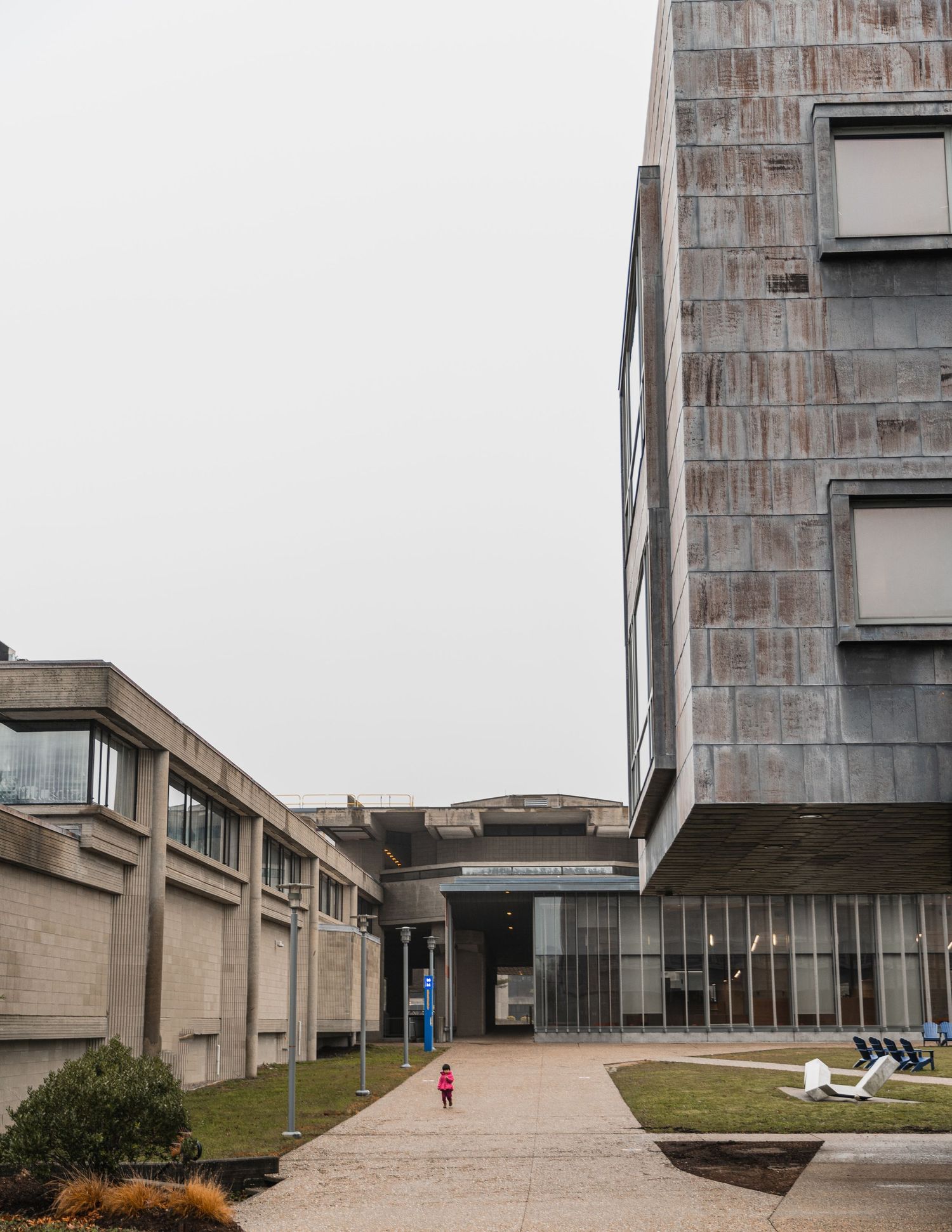
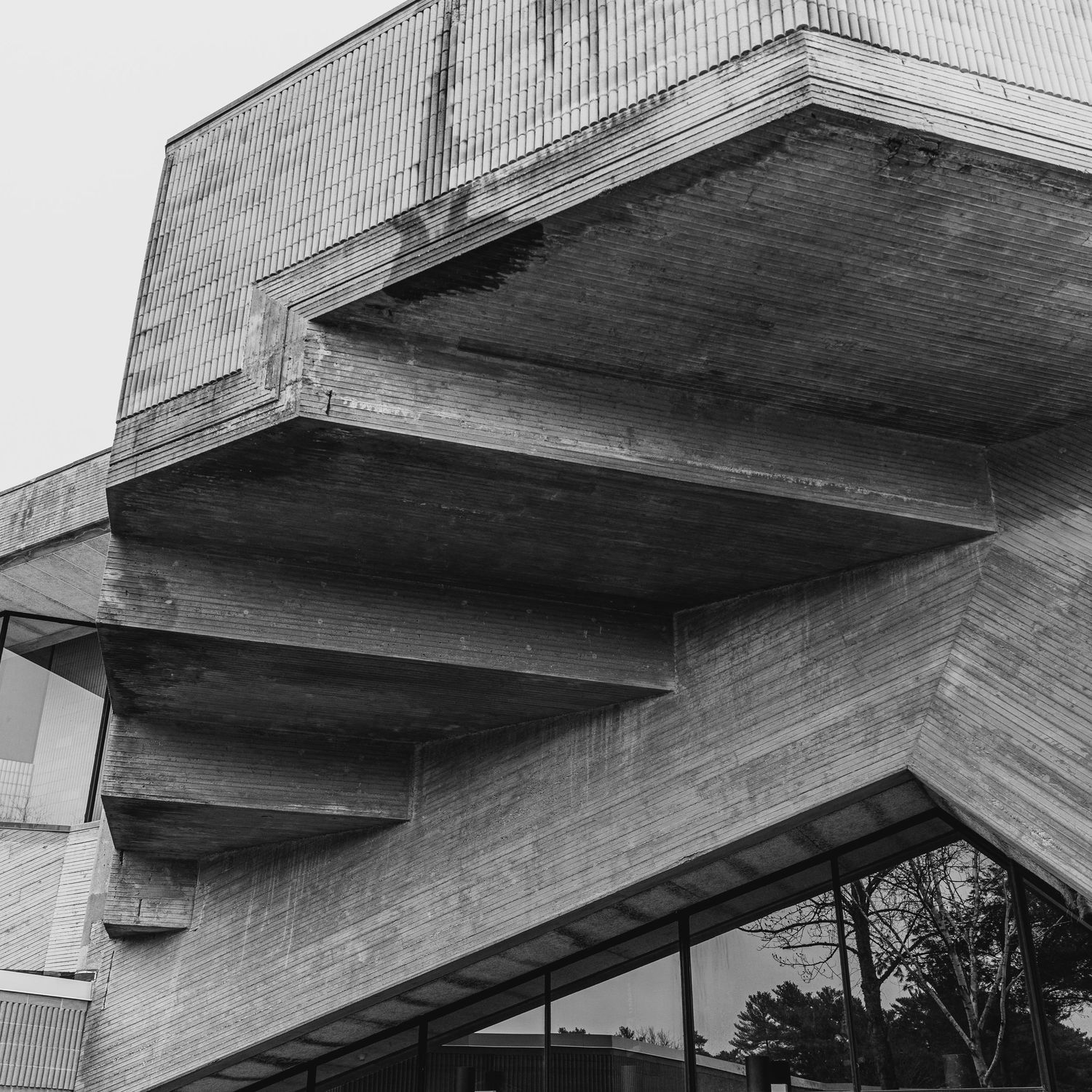
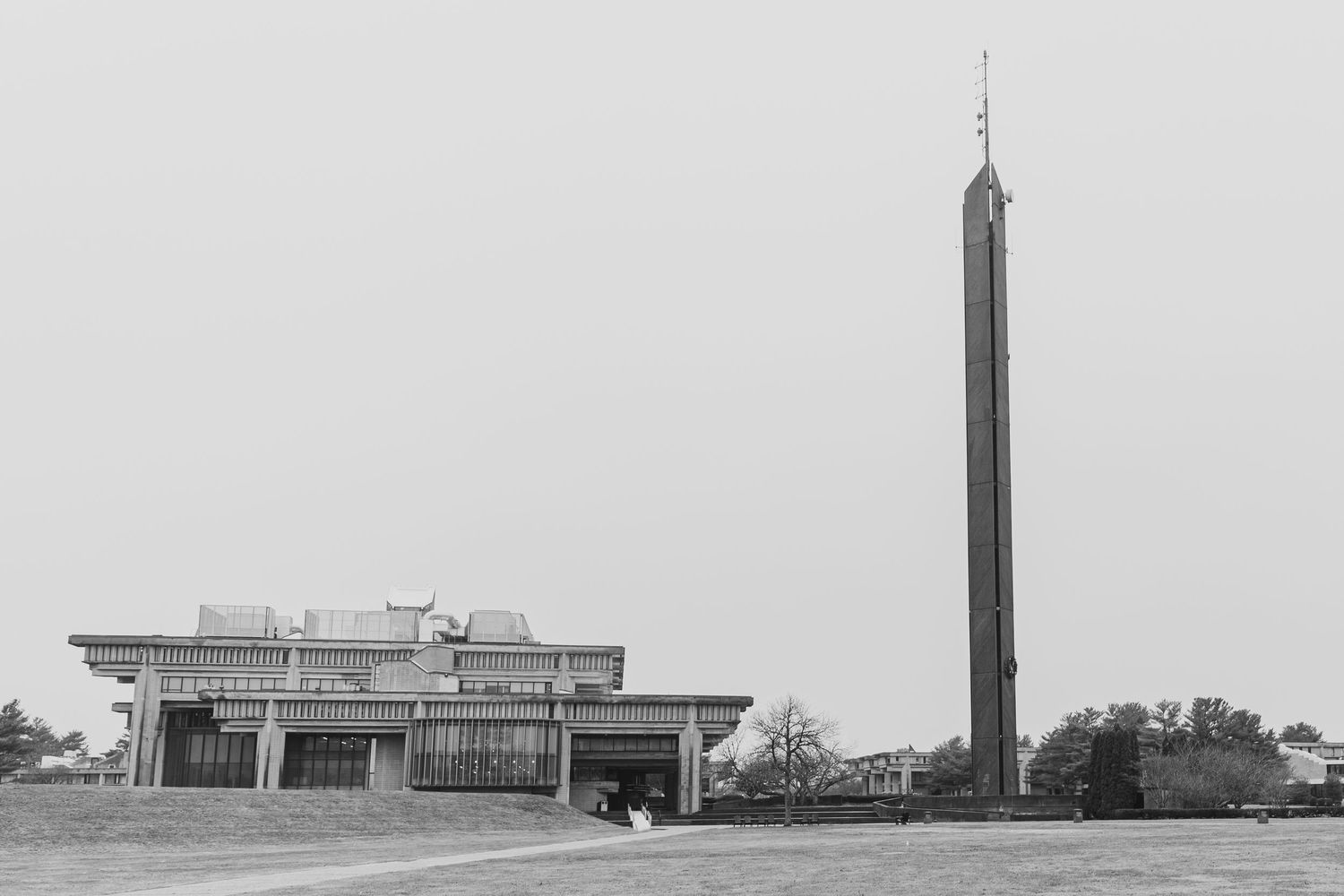
I was in my early teens when I first visited the UMass Dartmouth campus. It was like no other, and it left a strong impression on me, such that I would never forget that visit. I had felt a turmoil of emotion with no explanation as to why. For 20 years, the memory of that day would occasionally pique my interest. On New Year's day in 2022, I woke up remembering it, and decided it was not a bad day to go visit it for a second time.
A monumental kind of minimalism
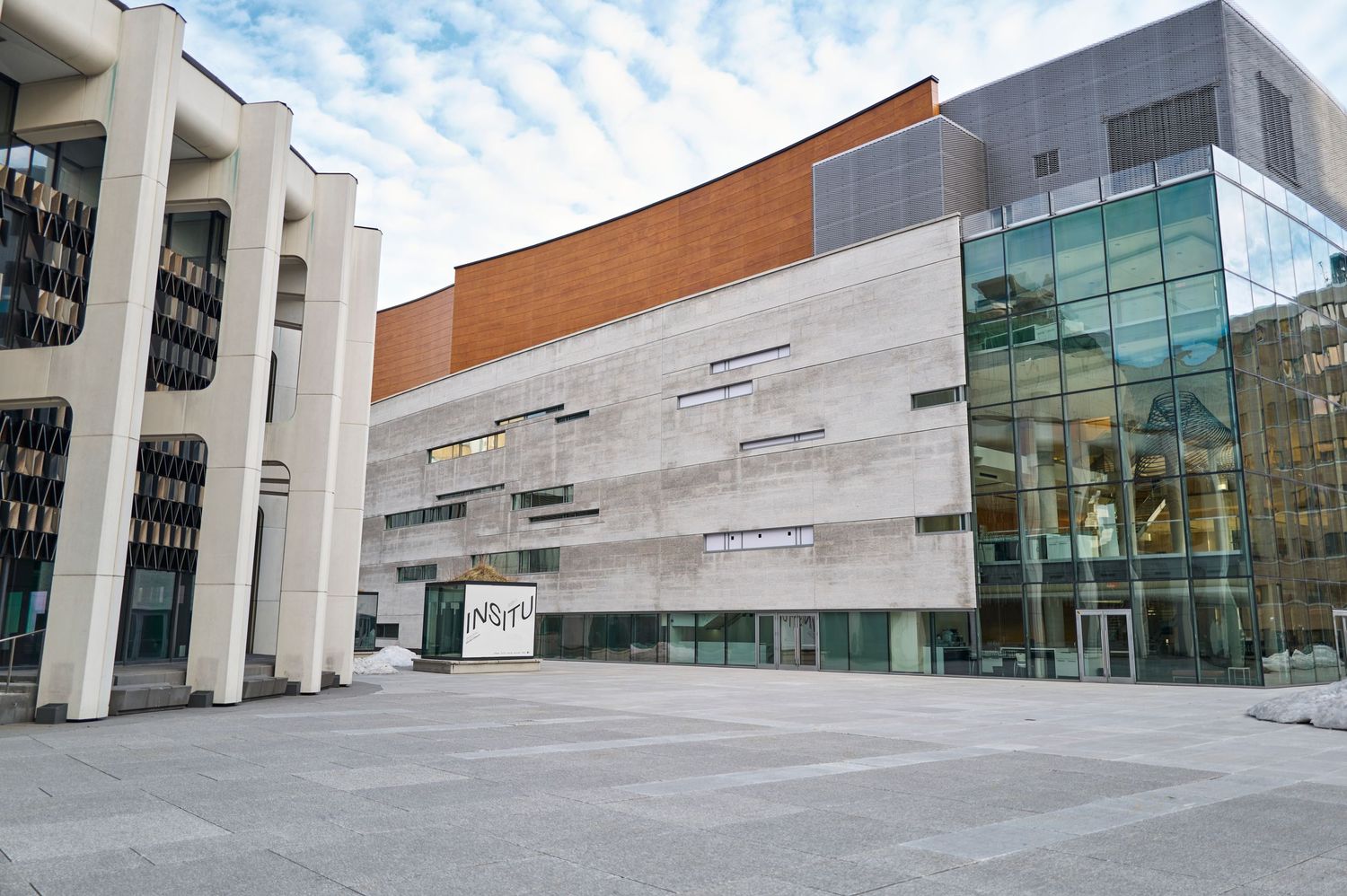
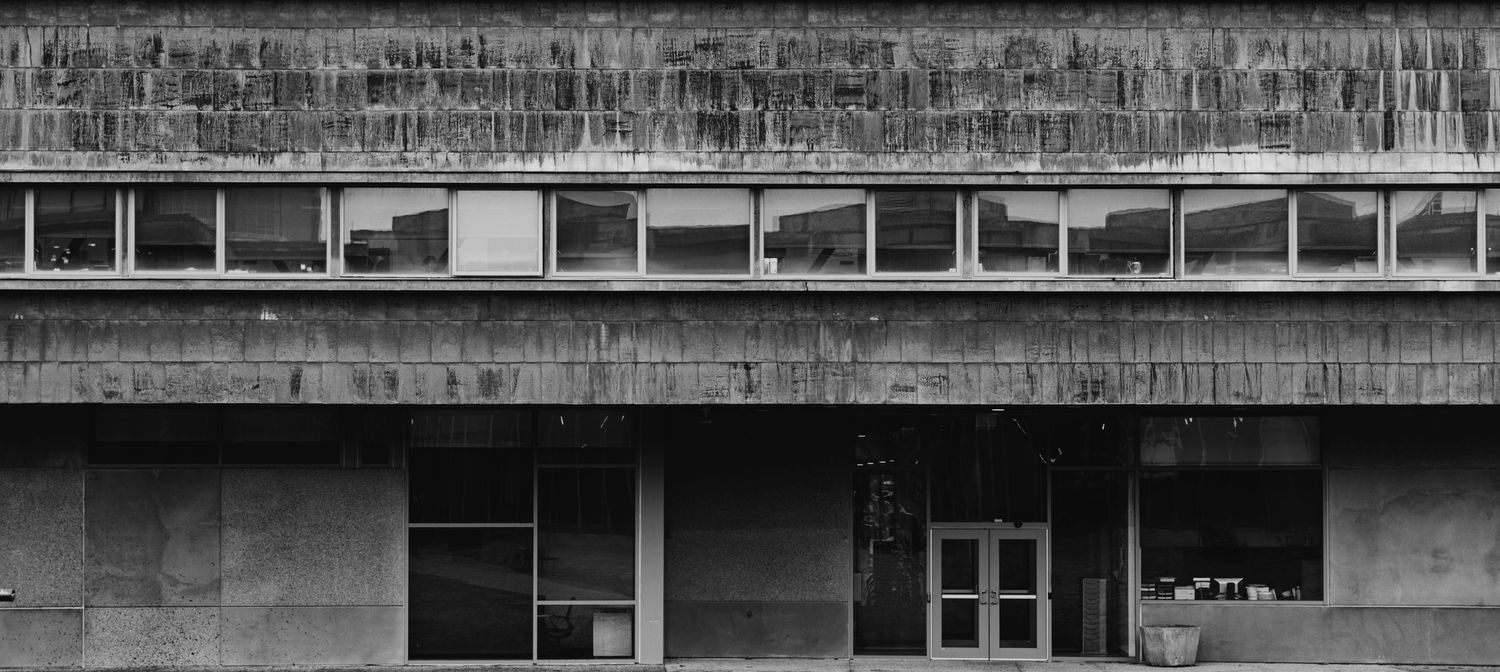
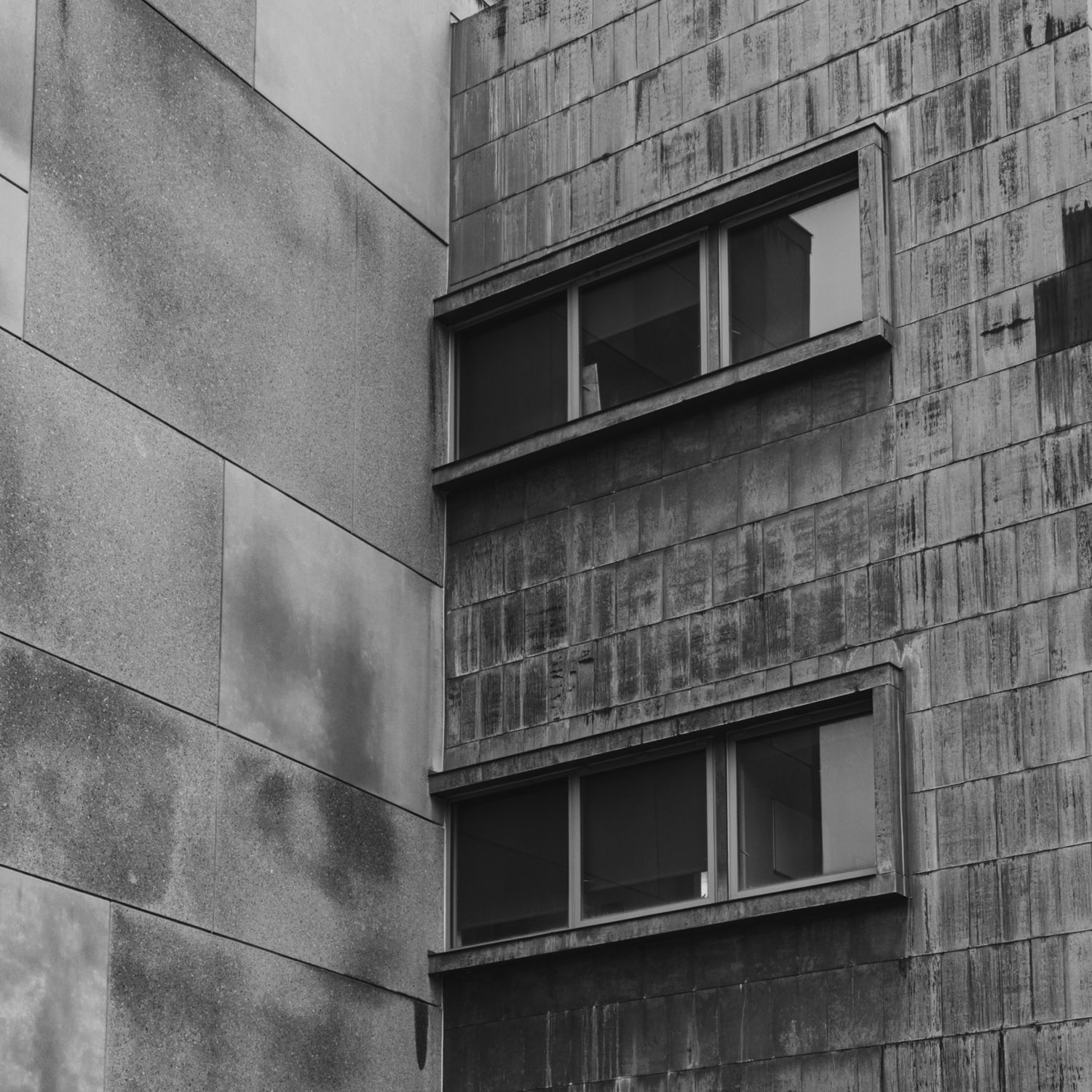
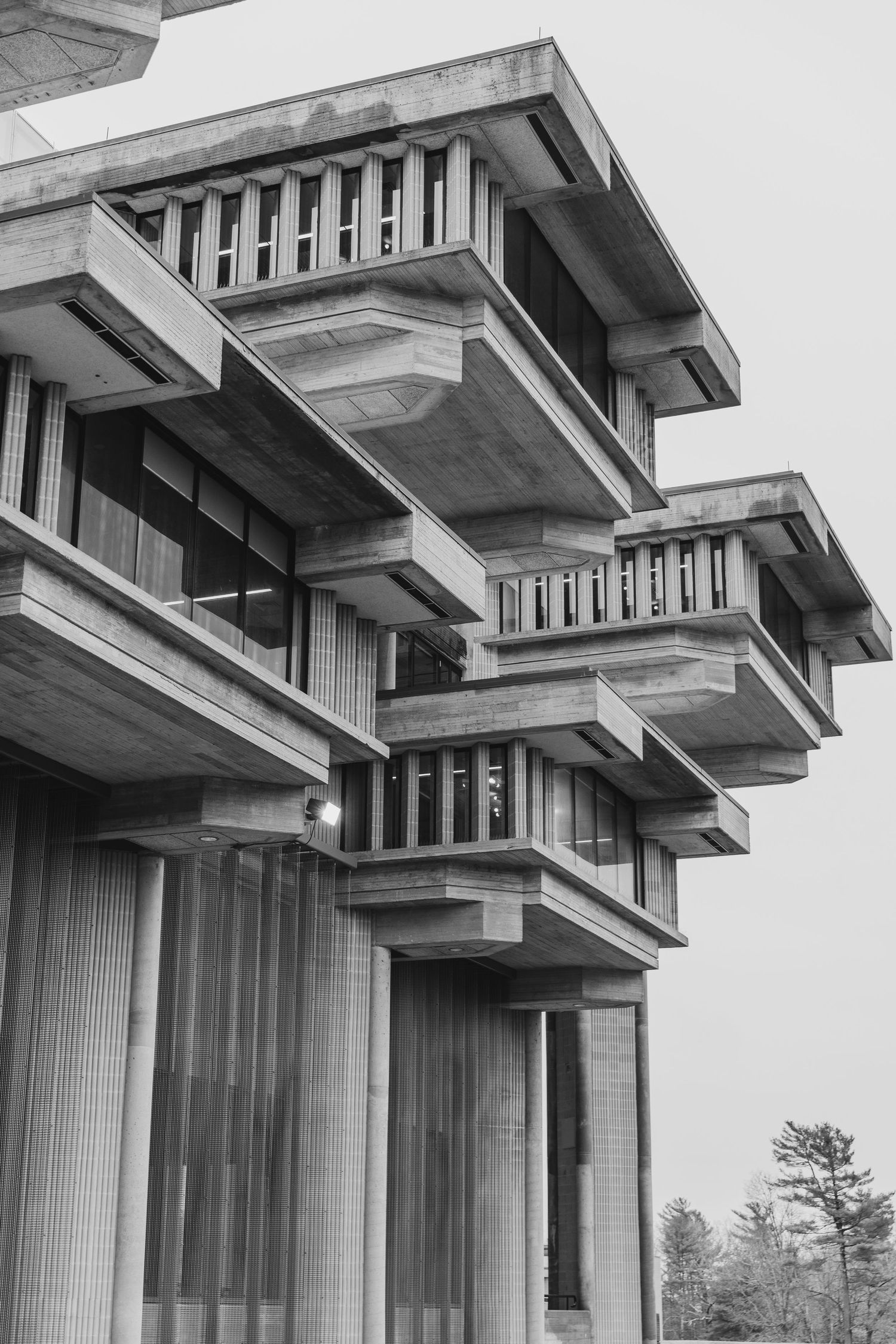
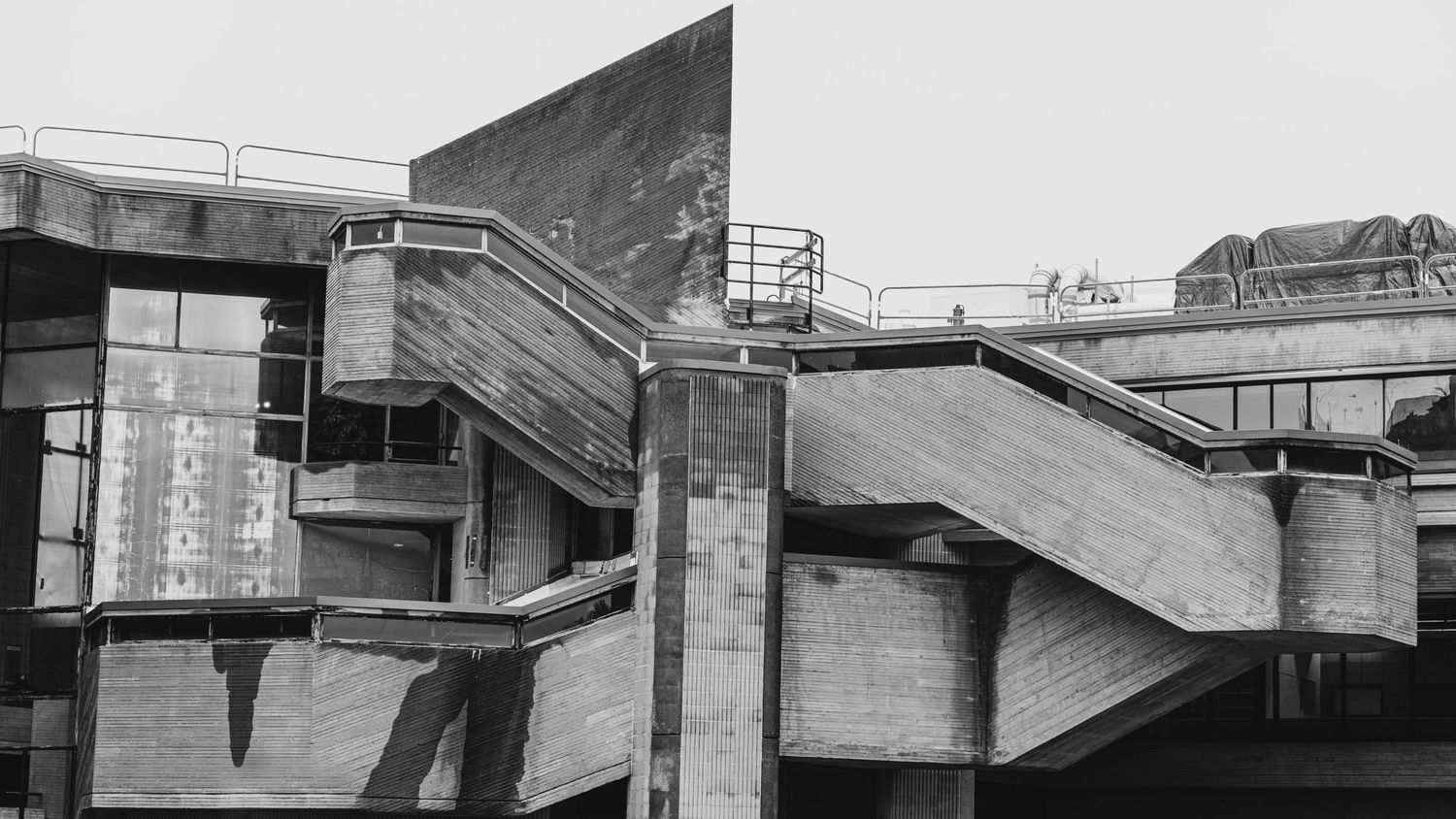
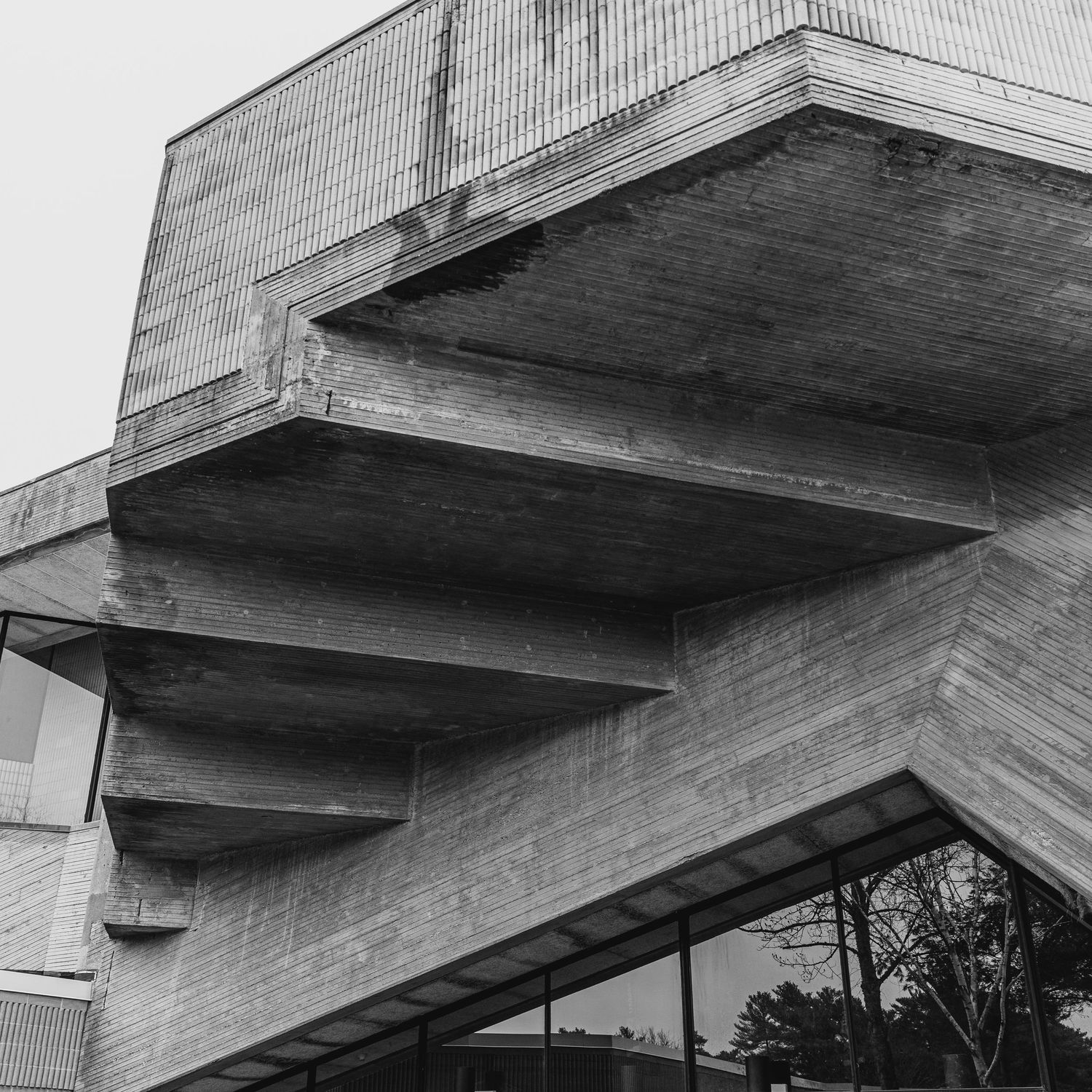
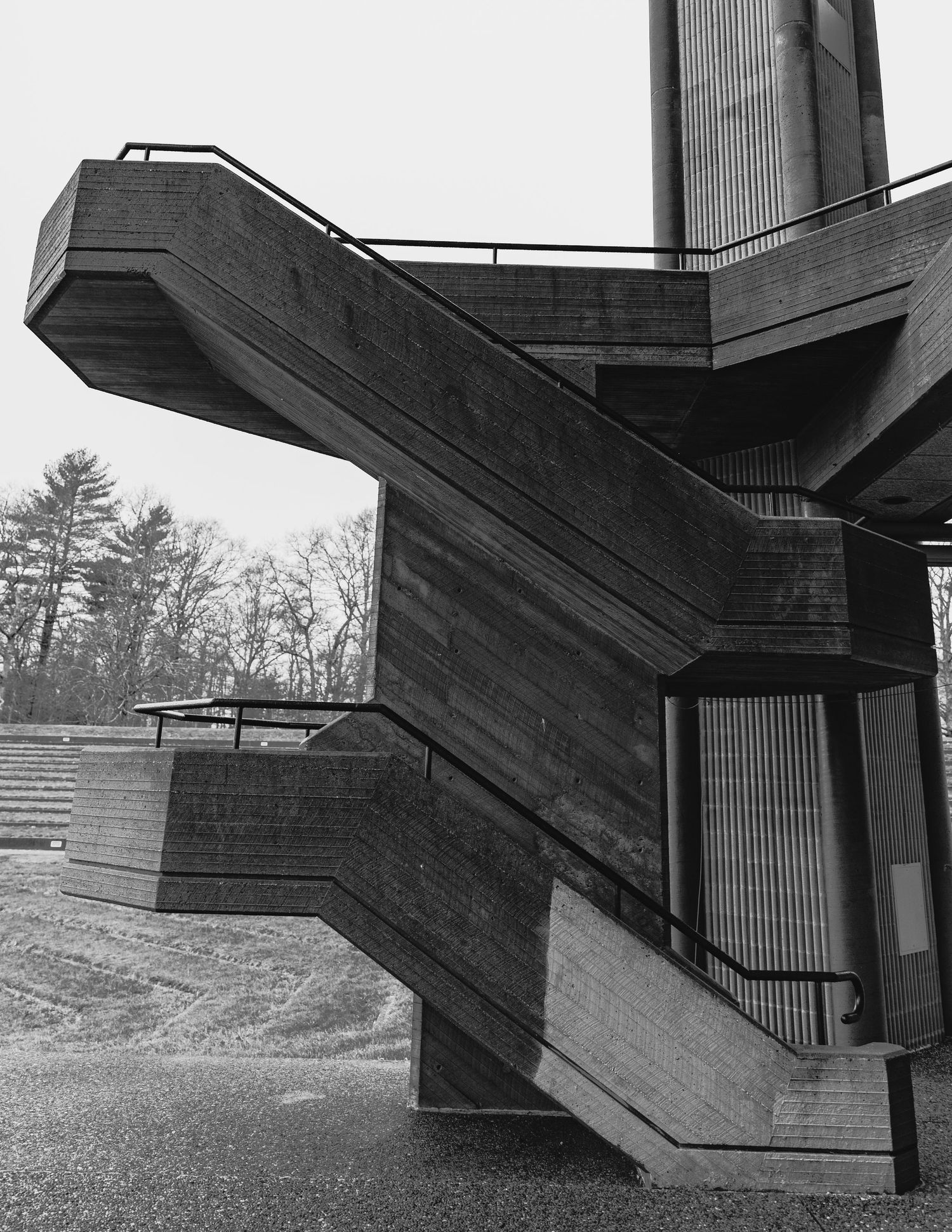
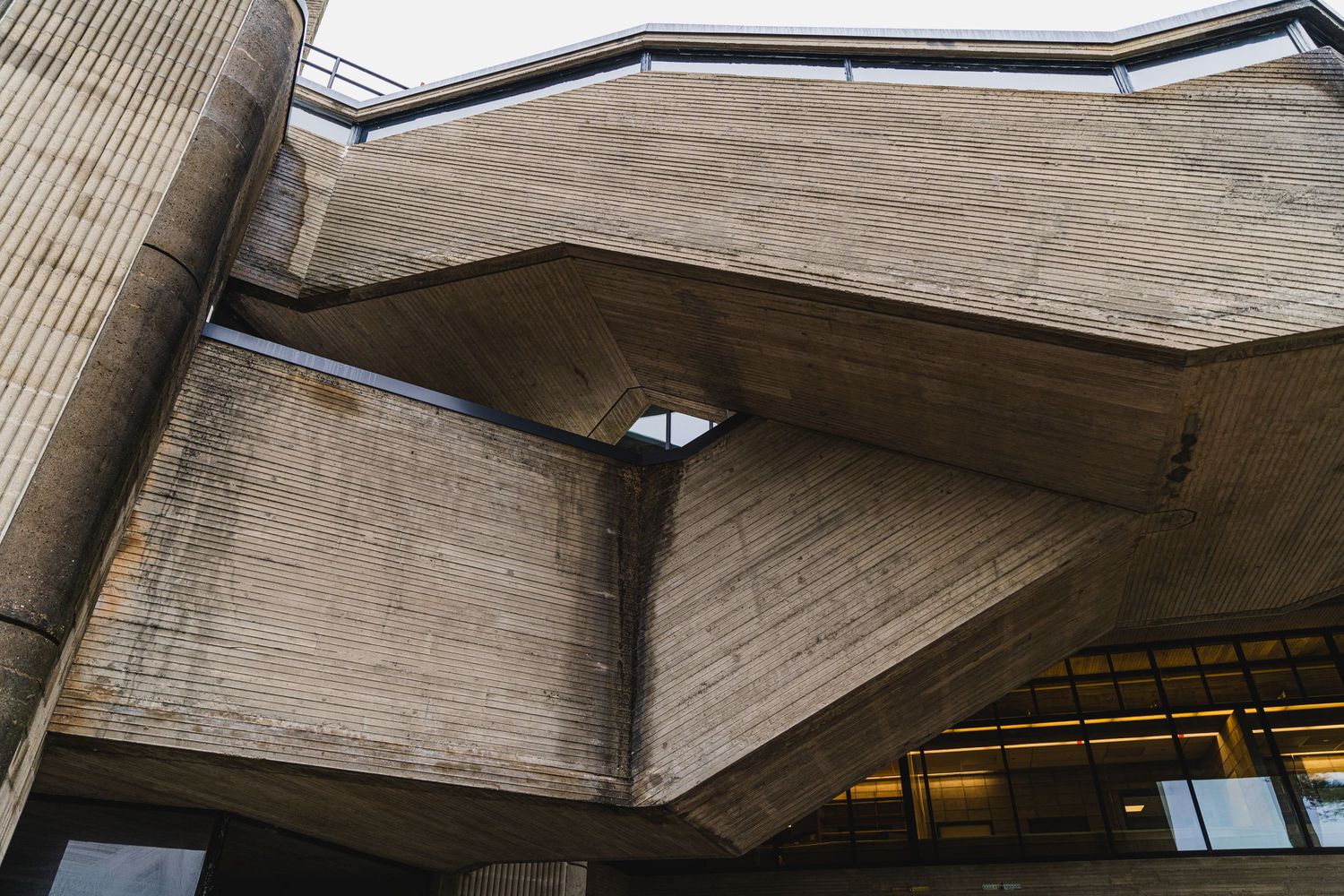
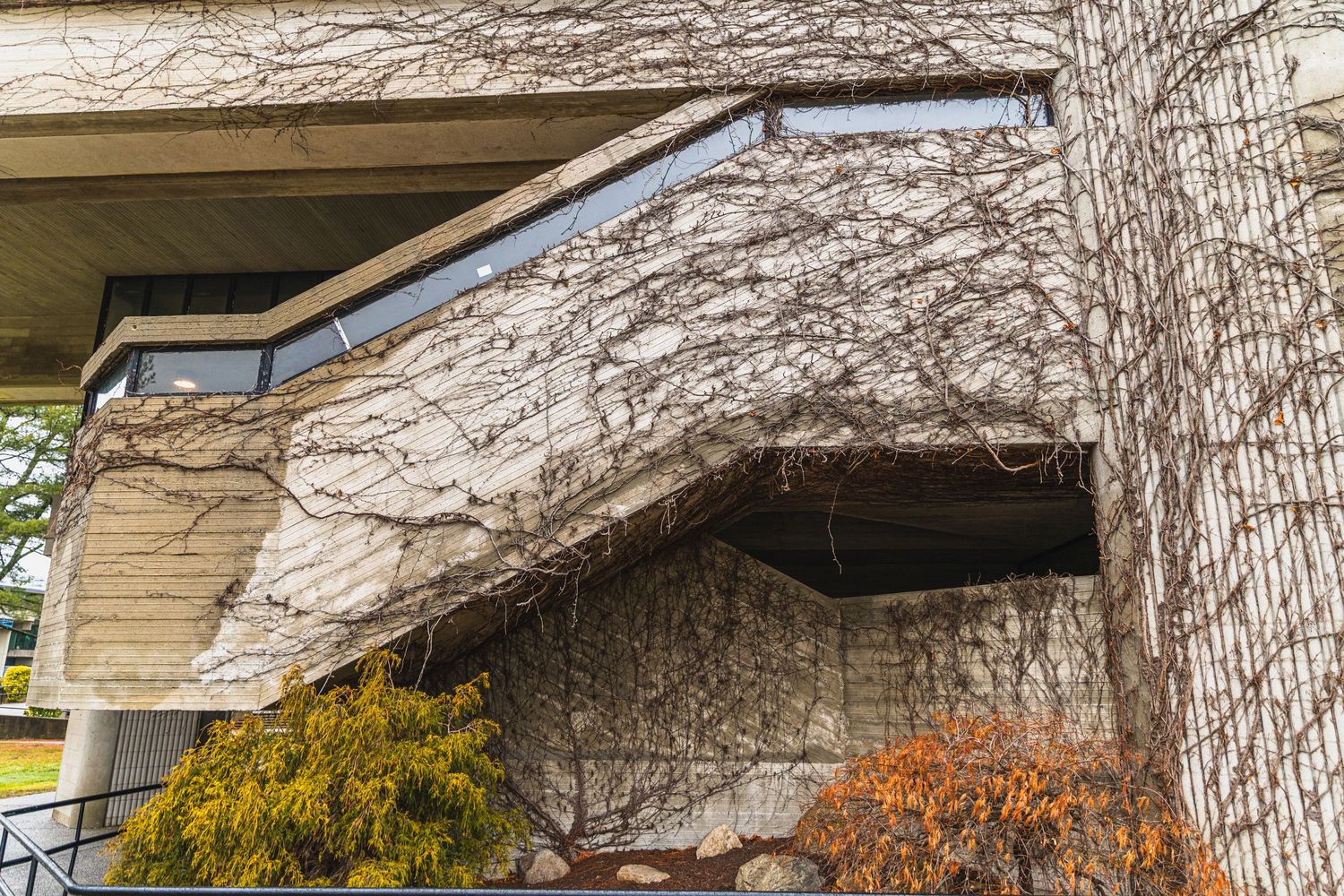
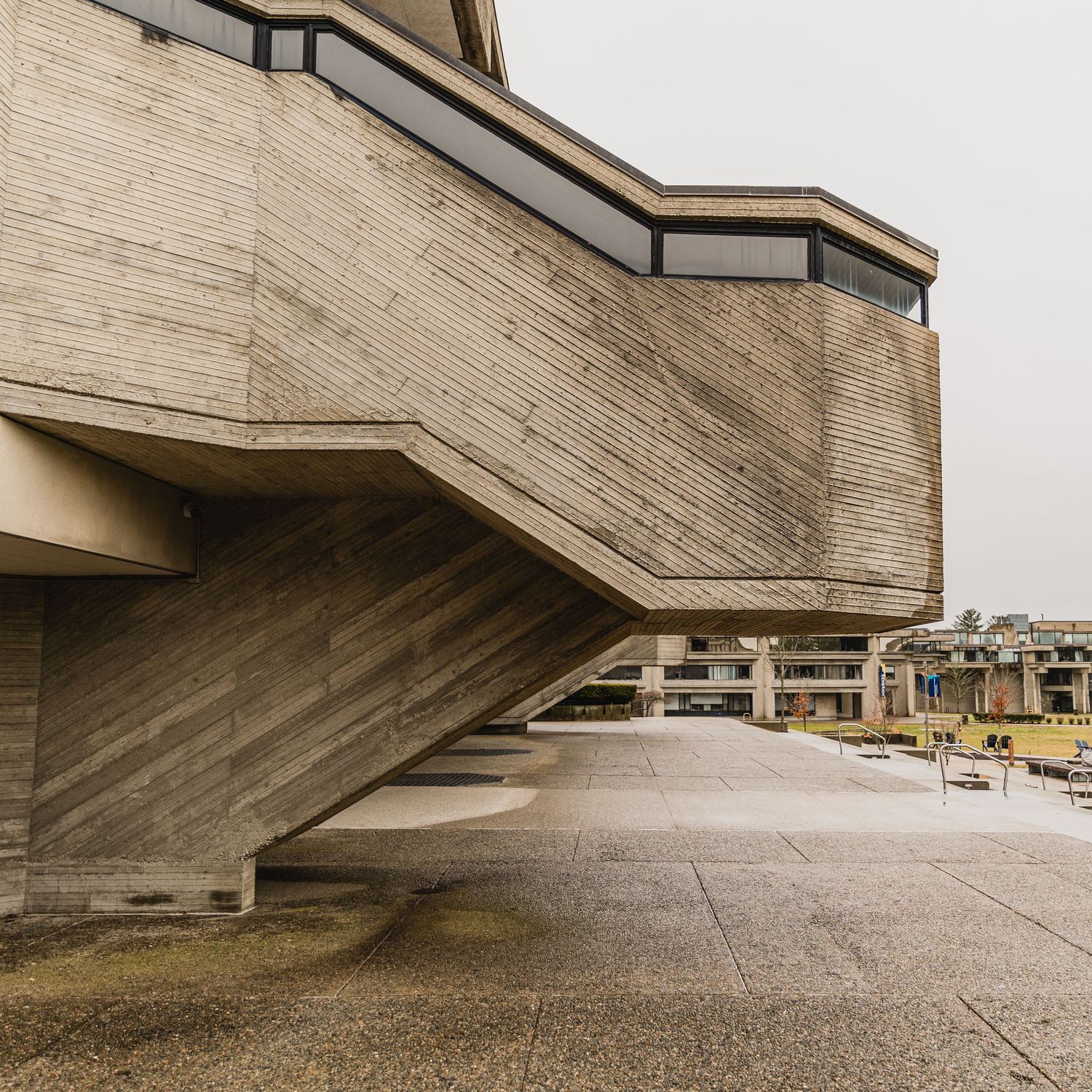
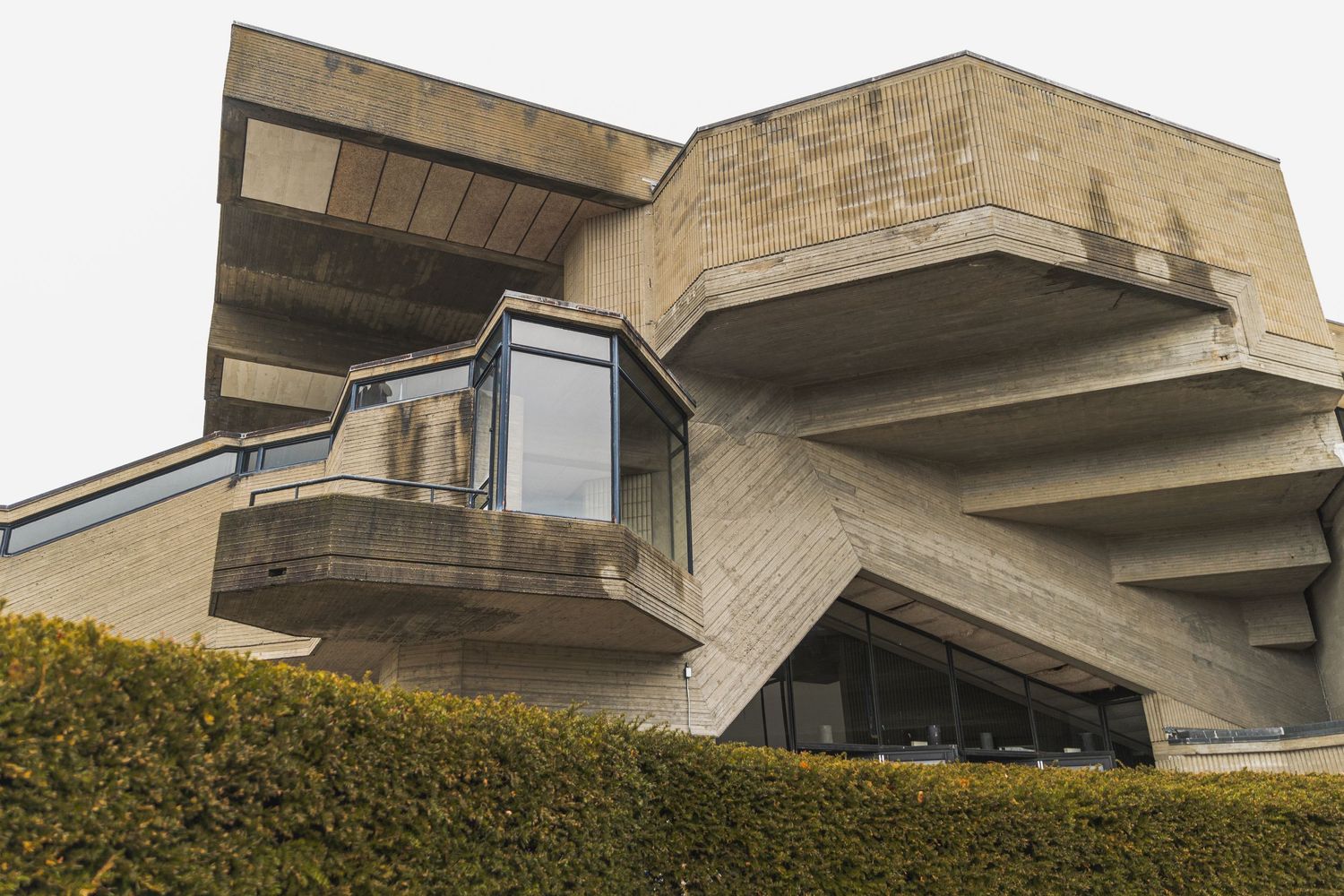
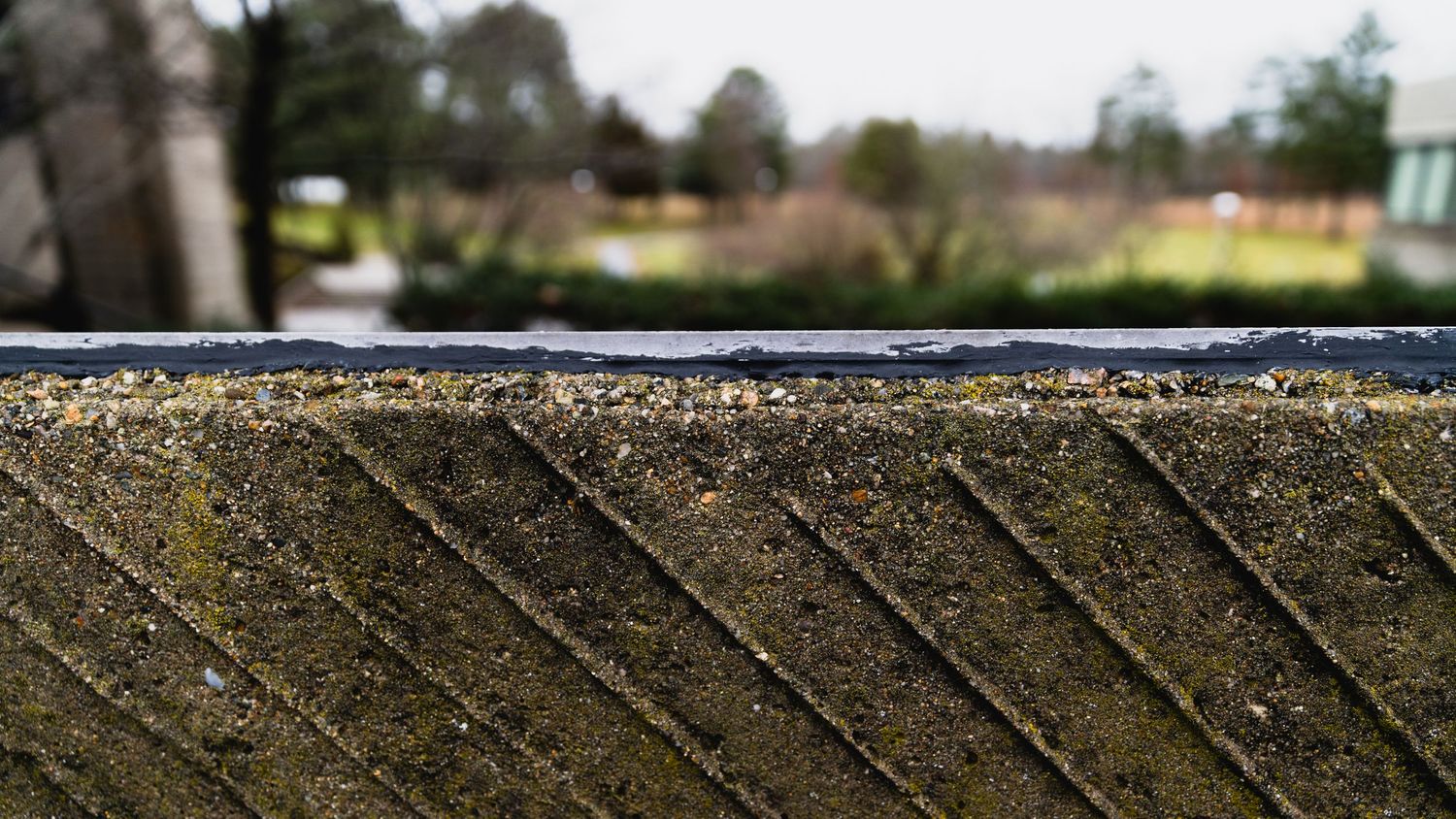
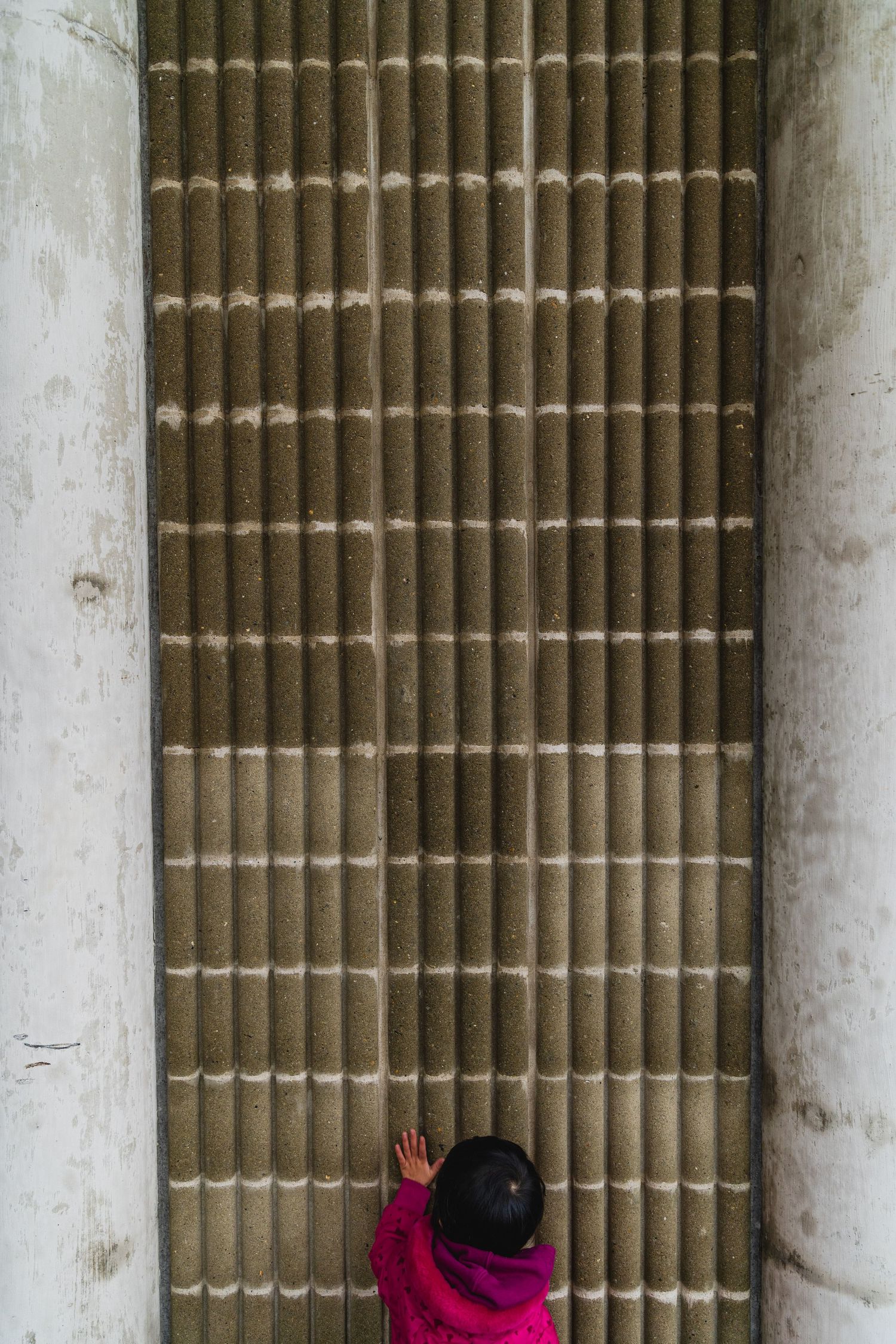
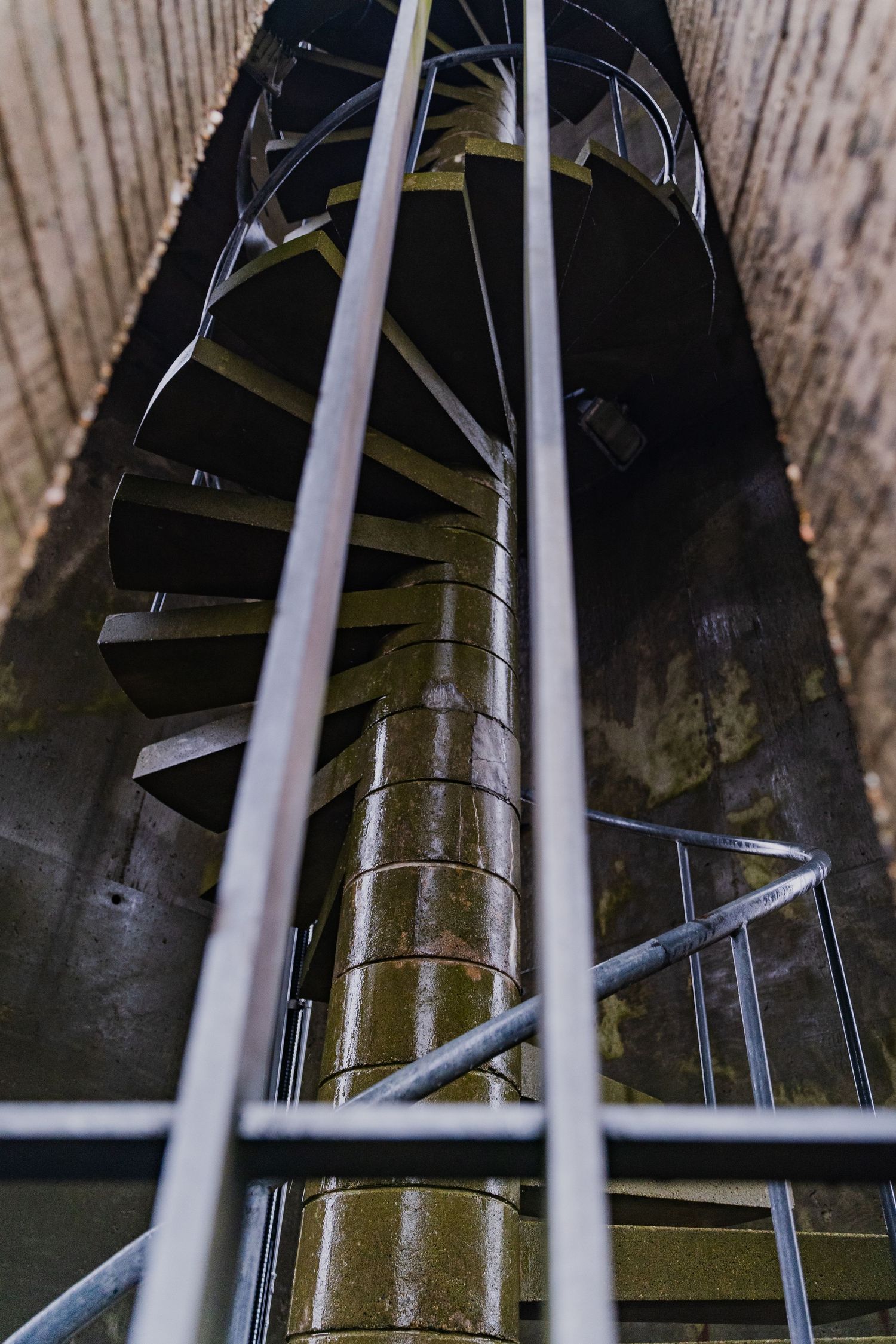
The brutalist style was developed in the 1950s in post-war England. The idea was to let the material and function of a building represent itself. Form followed function, nothing more and nothing less. Designs were simple and "honest" in the sense that its structural characteristics were exposed. Raw, uncovered, and unpainted concrete is a major theme. Other elements such as seams or joints are laid bare as well, unconcealed by any facade. Staircases are not hidden within the walls of the structure and instead jut out obviously.
In a name
I don't know why the style was named "brutalist", but it seems a fitting word for it. The commitment to materiality, simplicity, and function is absolute, uncompromising, and relentless. It is brutal in its commitment.
Forlorn
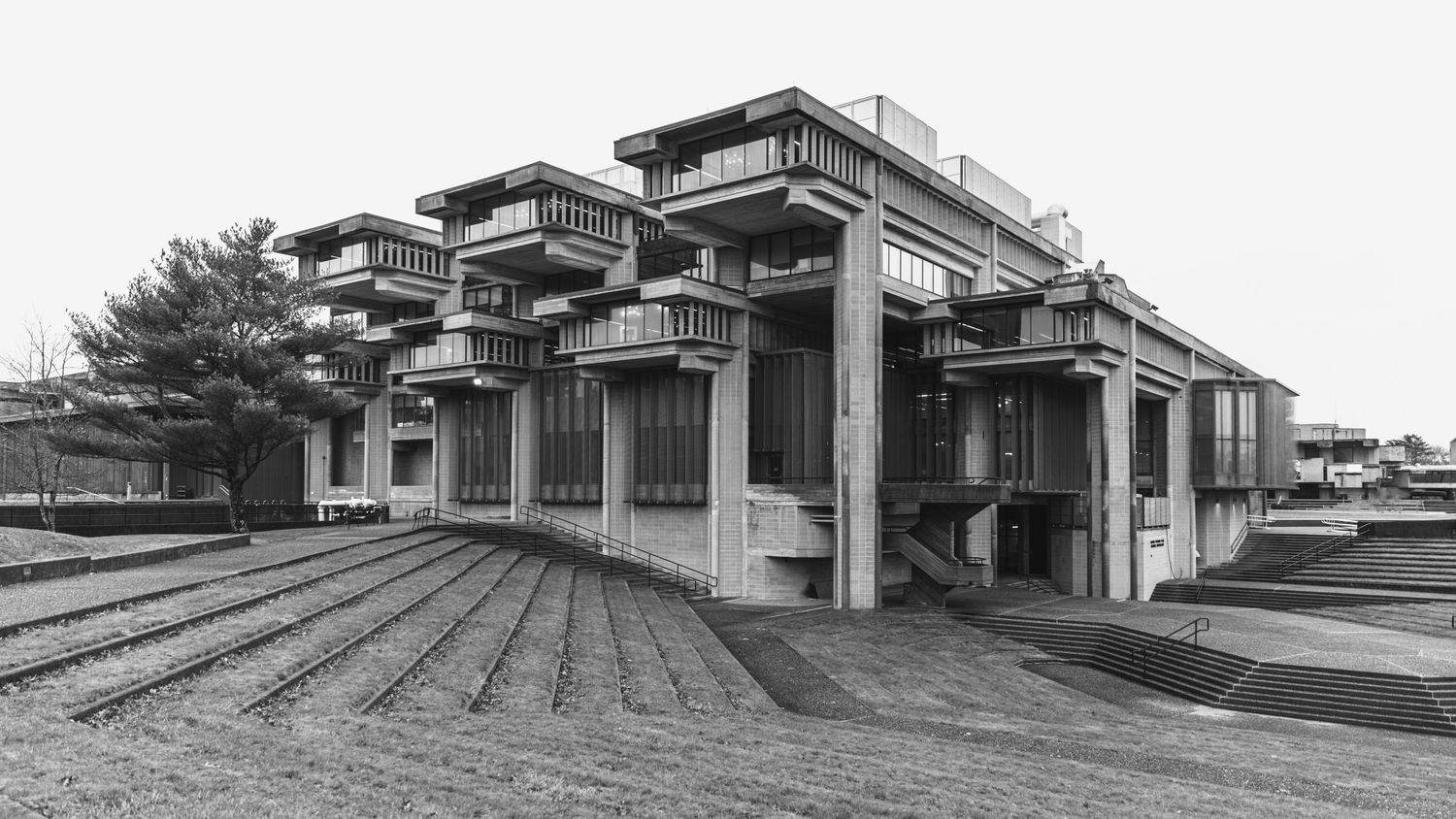
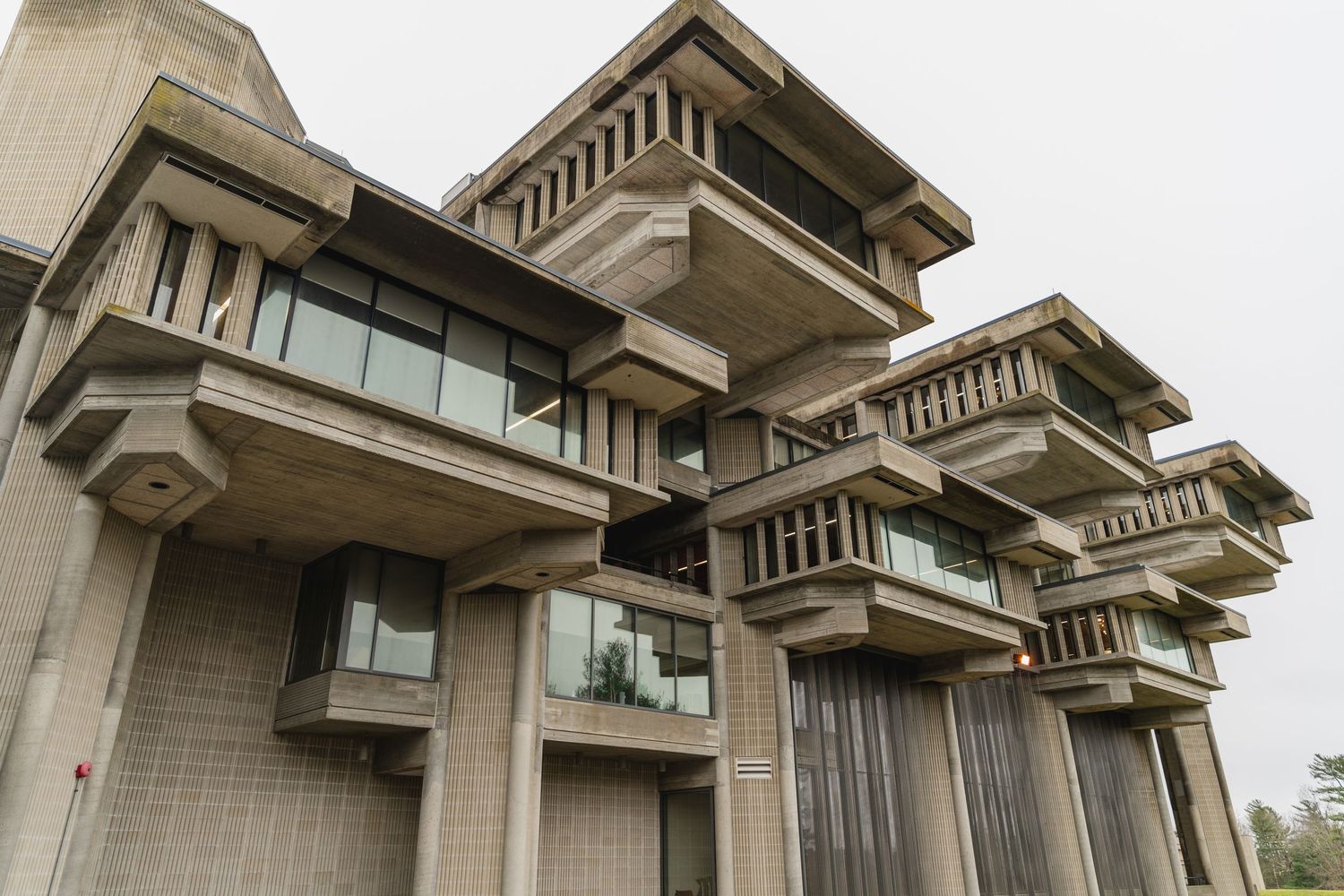
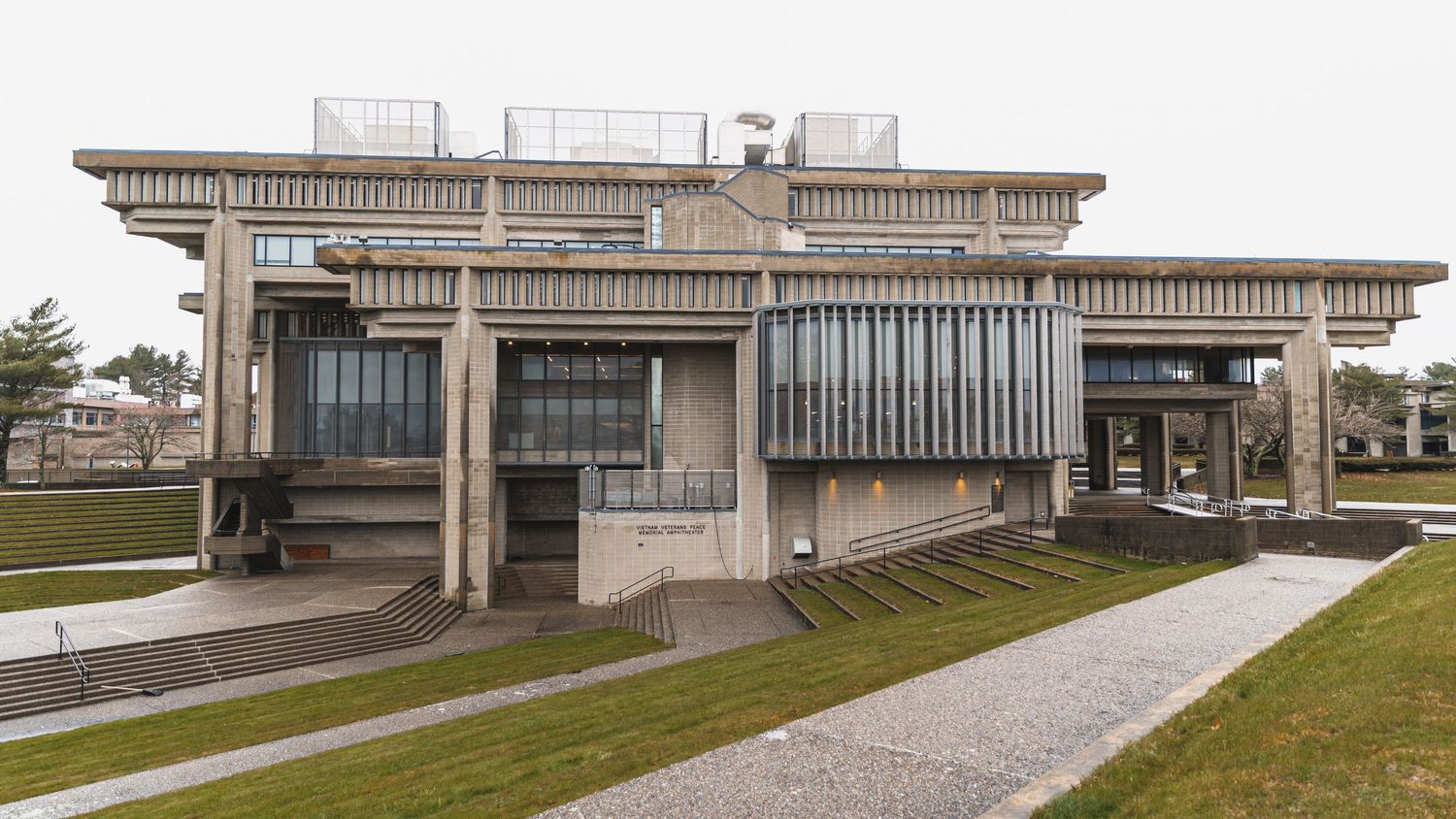
UMass Dartmouth is designed almost entirely in the brutalist style. When I was here two decades ago, I knew nothing about architecture, much less design objectives of a particular style. And yet, I had a powerful impression of the place. It was immensely lonely.
Alive, forsaken
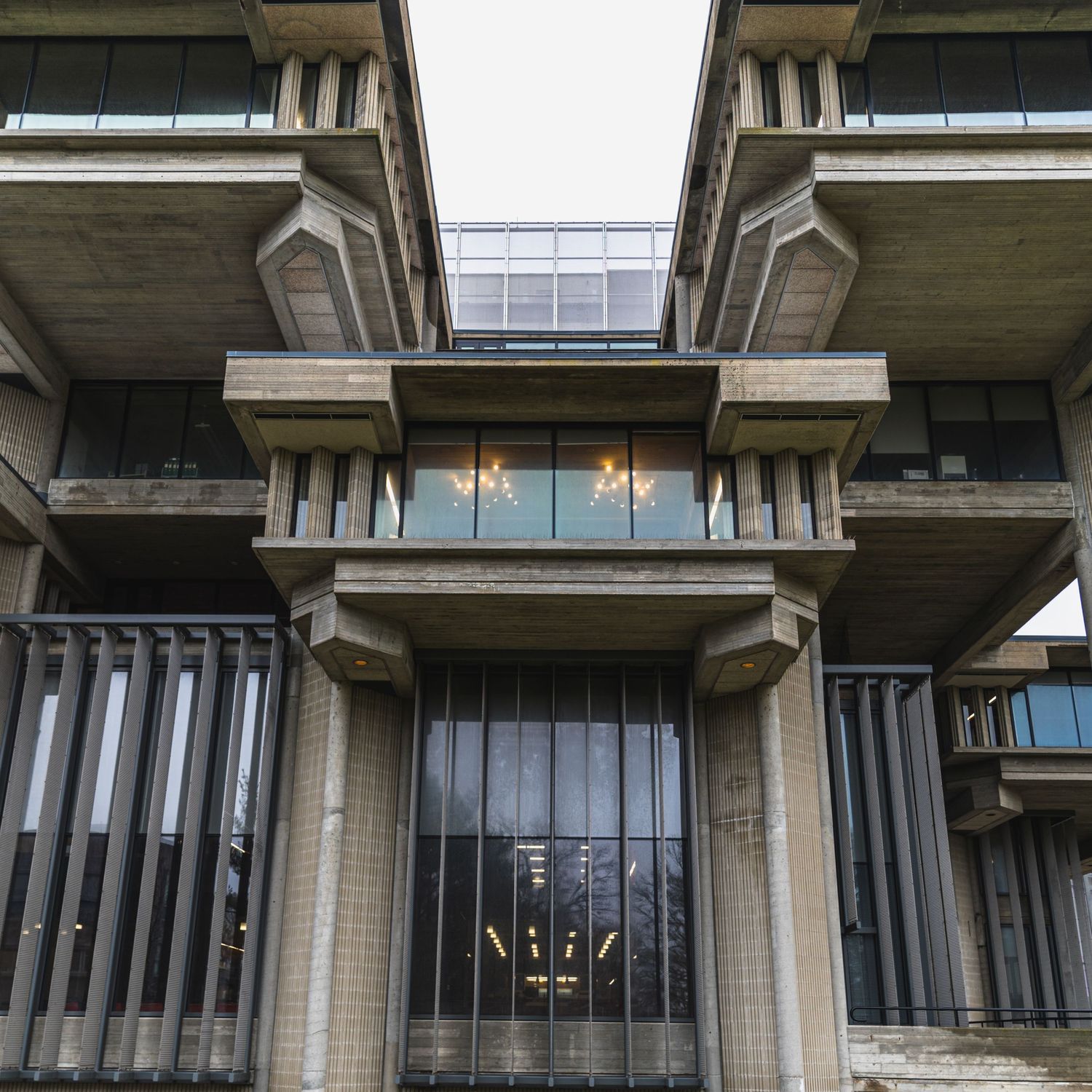
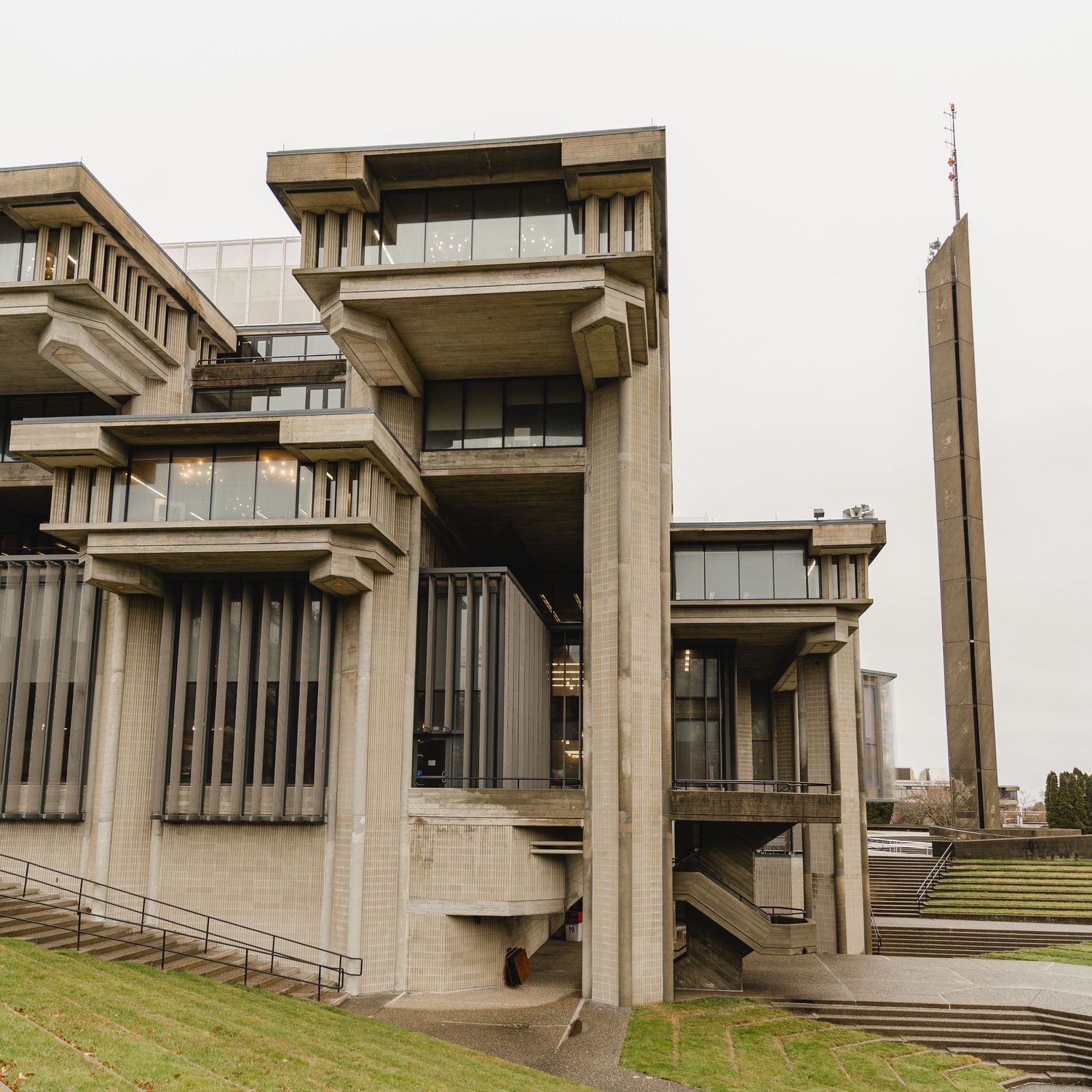
Back then, on a a summer day with crowds of people, it had felt cold and desolate. And it felt no different on this cloudy new year's day, where the campus had actually been emptied for the winter break. The lifeless towers watched passively, evaluating me constantly, not to pass judgment, but to apply consequence. The buildings asked no questions, nor solicit any interpretation from me. Rather, they simply made their presence felt, at all times. In a space of order, function, and material nakedness, humanity is the aberration that feels out of place.
Time travel
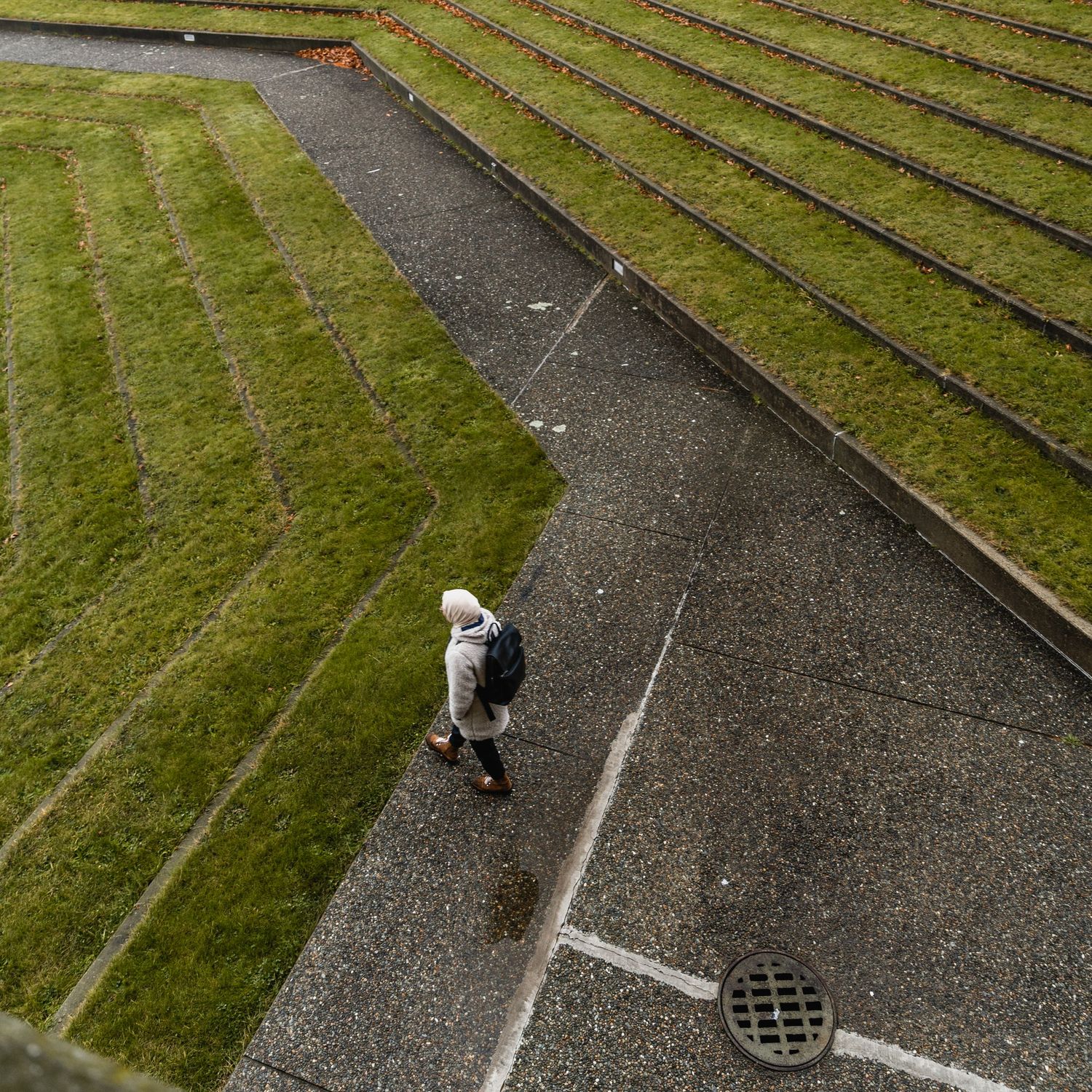
Walking through the campus is like stepping into an austere future designed meticulously for humans, but not for humanity. For the second time, my aimless wandering on the campus is noted by these concrete watchers, for being outside the approved pattern.
Sad songs
Paradoxically, I really like it. I have always been drawn to brutalist architecture. Visiting the campus finally helps me to understand why. It's a lot like sad music. I wouldn't want to listen only to sad songs, nor would I like my life to be like a sad song. But I really enjoy sorrowful music.
In that same way, I wouldn't want to live in a brutalist building. I wouldn't even want to live next to one. I wouldn't want to work in a brutalist office either. I think I would be too sad, too often. But once in a while, I would like to walk through brutalist spaces that insist I reflect on my human nature, and to think about chaos and the heterogeneity of existence.